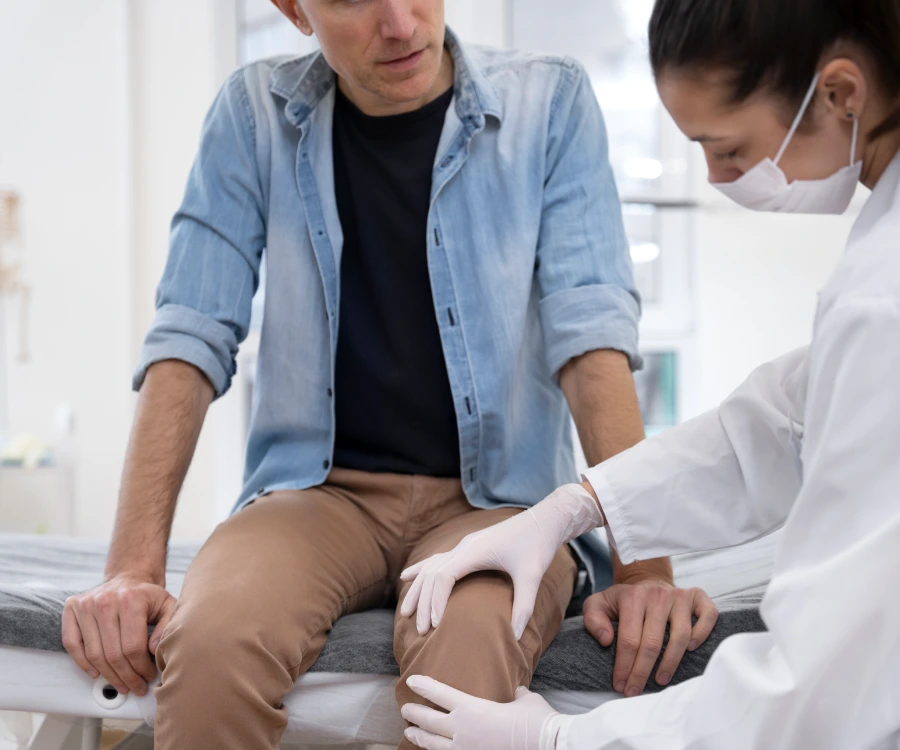
Whether it’s a nagging shoulder strain or daily knee discomfort, joint injuries have a way of making routine activities a bit more like a challenge. So, when rest and ice fails to get you moving, PRP therapy harnesses concentrated platelets to target the root of inflammation, accelerating natural recovery and helping you get back into your groove.


UNDERSTANDING PRP FOR INJURIES
Some Muscle Tears & Injuries Take More Than Rest
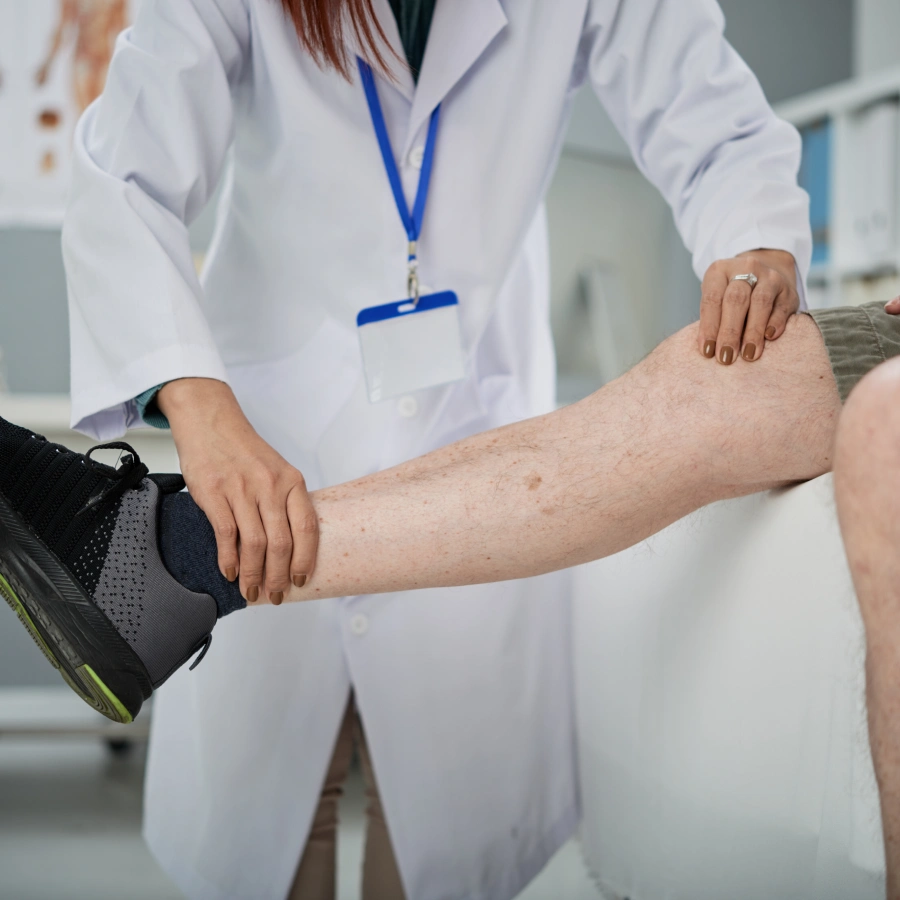
A tweaked shoulder on the court or a sudden knee strain on a weekend run can affect your workouts, routine, and the activities you usually take for granted. You might expect the discomfort to settle after a few days of resting and icing. But when a Grade 1 or 2 muscle tear happens, the standard downtime rarely delivers a full recovery. That lingering ache and deep-seated stiffness continues to hold you back from moving comfortably.
That’s where PRP therapy may offer another approach by concentrating your body’s own repair-rich platelets on the affected area, reactivating your natural recovery from the inside out. Being a targeted approach, it provides your body the vitals needed for deeper structural repair. And because effective care requires absolute clarity, clinicians at Axis Glow Lab require an ultrasound or MRI image confirming a Grade 1 to 2 tear before starting, making sure every treatment is built on an accurate diagnosis.
WHY PRP THERAPY FOR INJURIES
Because Rest Alone Has Its Limits
Botox helps you:
- Support your body’s own repair process
- Target deep-seated joint and tissue inflammation
- Deliver concentrated platelets directly to the affected area
- Reduce pain as muscle tissue actually heals
- Help restore shoulder stability and range of motion
- Complement rest and physical therapy, not replace them
- Accelerate recovery for Grade 1 and 2 muscle tears
- Use your own blood-derived platelets
- Precise, targeted treatment guided by diagnostic imaging
- Non-surgical approach to chronic joint discomfort
Every injury has its own story, which is why Axis Glow Lab requires ultrasound or MRI confirmation of a Grade 1 or 2 muscle tear before PRP treatment can be considered. Your imaging, symptoms, and individual circumstances all help shape the right approach.
WHY AXIS GLOW LAB?
The Thoughtful Approach Behind Injury Recovery
Precision Repair, Guided by Diagnostic Clarity
At Axis Glow Lab, we believe regenerative treatment requires absolute accuracy and individual care. Which is why PRP for injuries, joint pain and muscle tear starts with understanding what actually happened, rather than offering generic treatment. That means reviewing your ultrasound or MRI, assessing your Grade 1 or 2 muscle tear, and determining whether PRP is appropriate treatment for you. Every treatment is carefully planned, uses precise injection techniques and reflects your desired outcomes.
From preparation through targeted delivery, our clinicians focus on calming joint discomfort, restoring stability, and supporting your return to active movement, safely and comfortably.
BEFORE THE INJECTION
Here’s How It Works
Step 1
We review your injury, your symptoms, and confirm Grade 1 or 2 muscle tear in your ultrasound or MRI findings.
Step 2
Our clinicians take a small blood sample to isolate high-potency healing platelets.
Step 3
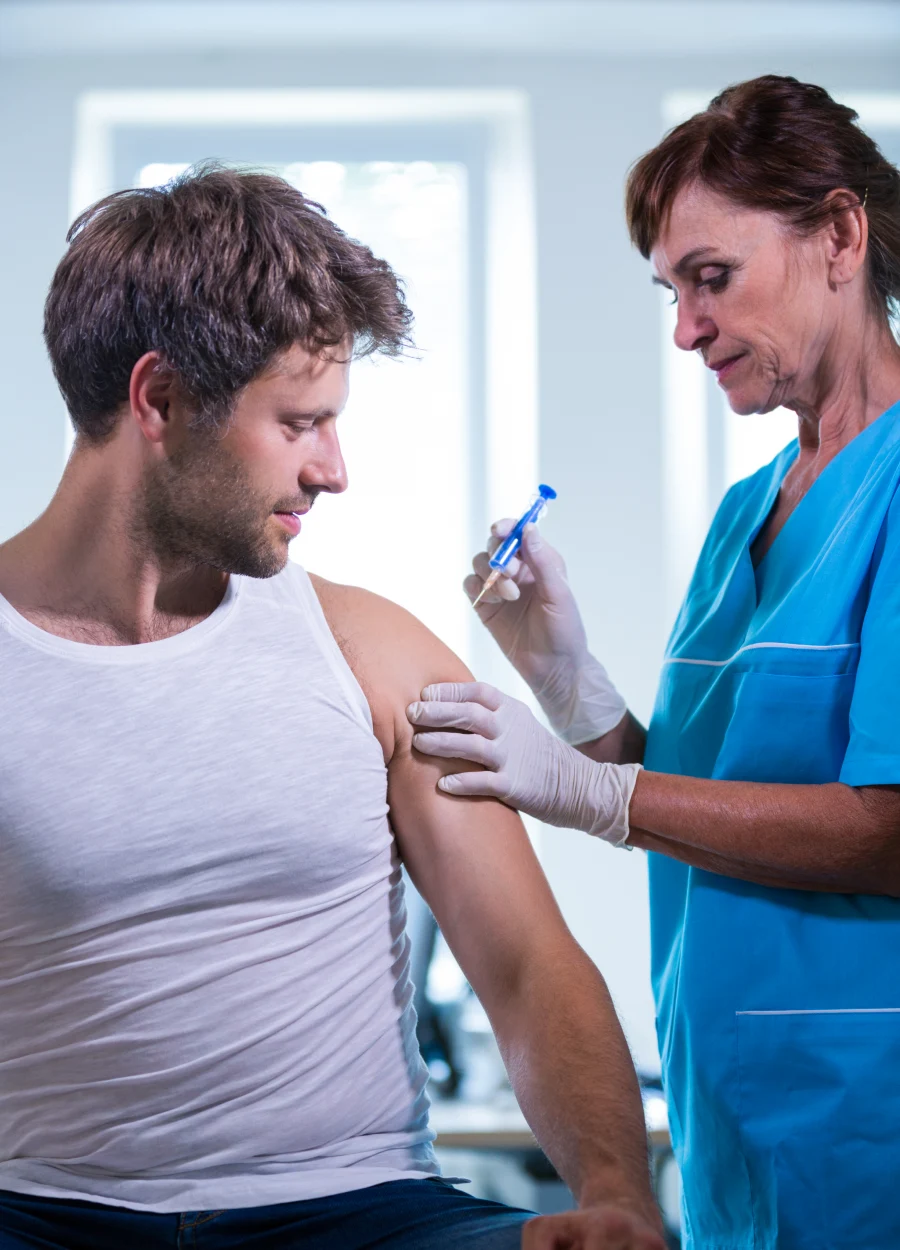
Concentrated platelets are injected directly and carefully into the confirmed injury area, in a comfortable clinical environment.
Step 4
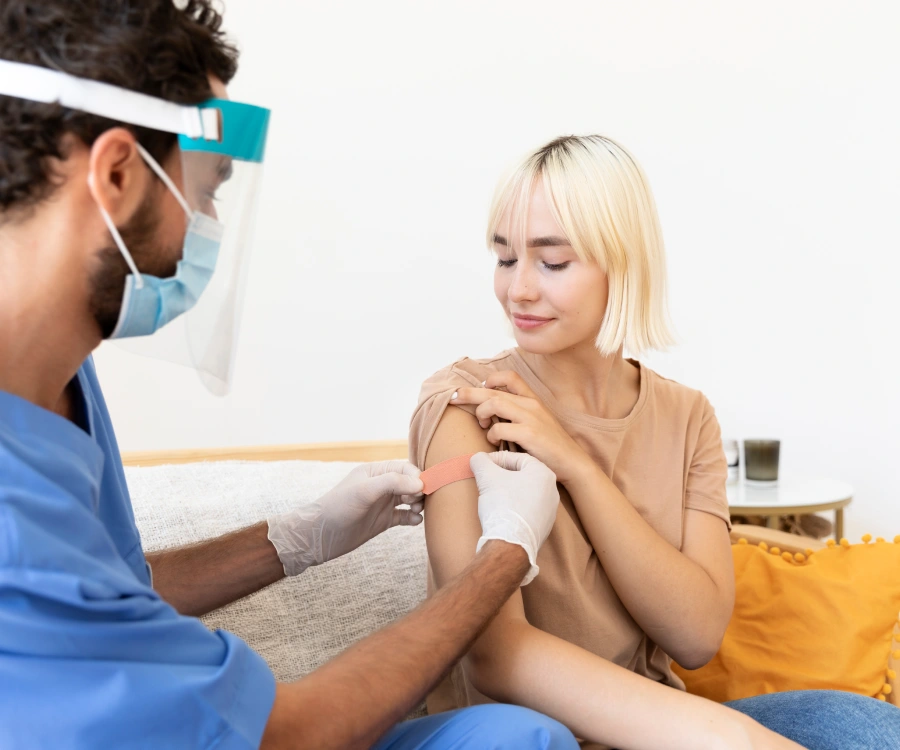
You’ll receive personalized aftercare guidance to maximize your comfortable, safe recovery.
Real Recovery Doesn’t Happen On A Stopwatch…
Regenerative joint care requires patience to achieve lasting functional results. Because PRP stimulates your body’s internal repair processes rather than relying on quick fixes, individual timelines depend on the severity and location of the tissue damage, your overall health, rehabilitation plan, and other individual factors.
Early improvements in shoulder or knee mobility usually appear around 2 to 3 weeks, with structural muscle repair and tissue rebuilding continuing to strengthen over 2 to 3 months.
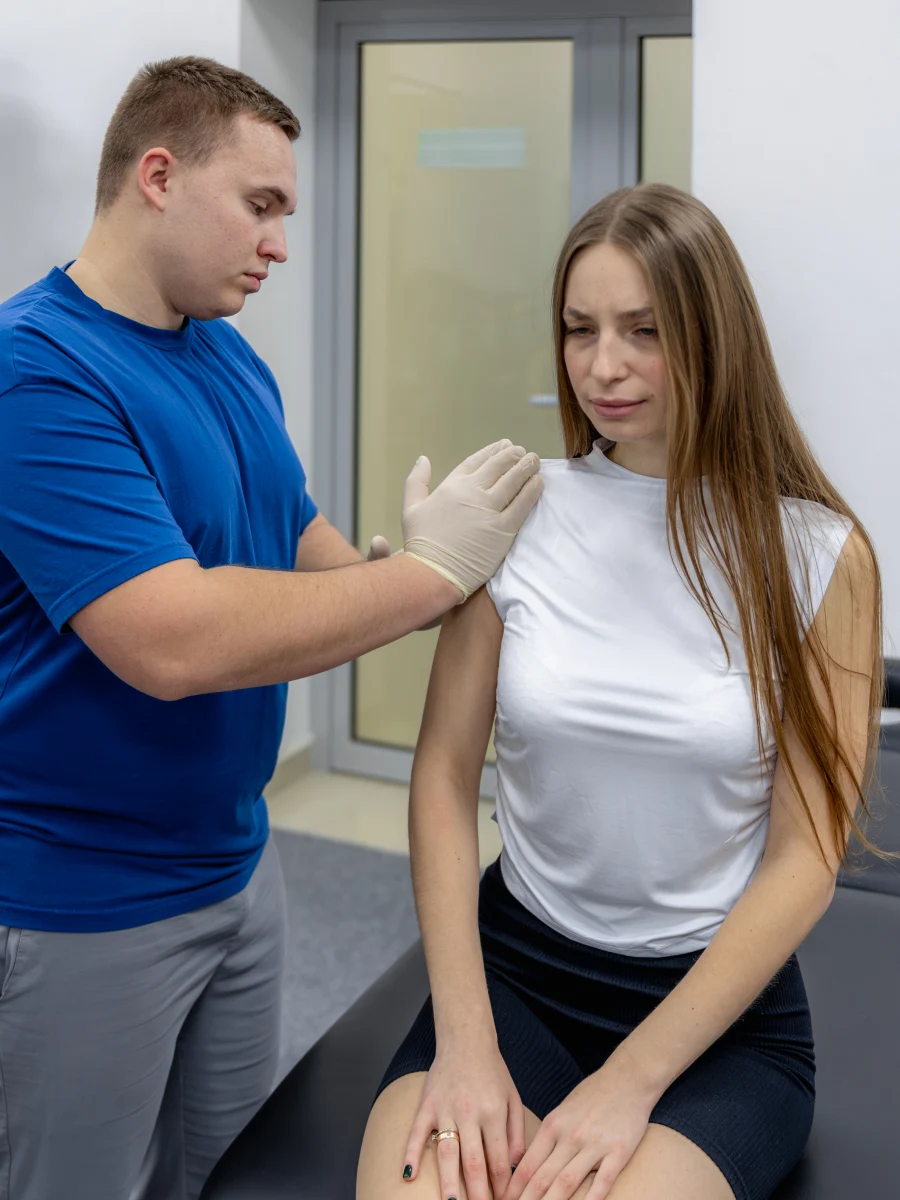
PRP INJURY TREATMENT, SIMPLIFIED
Your Questions, Answered
PRP for injuries and muscle tears comes with real questions, especially when you’re deciding between treatment options. Here’s what to know before making an informed decision, that too with confidence.
Does PRP actually work for muscle tears, or is it unproven?
Research suggests PRP may support recovery for selected Grade 1–2 muscle injuries when combined with other therapies and treatments, but results vary and evidence remains mixed.
Is PRP better than a cortisone injection?
They work differently and aren’t interchangeable. Cortisone may provide short-term symptom relief, while PRP is intended to support the body’s natural healing response.
Do I need an MRI or ultrasound before treatment?
Yes, an ultrasound or MRI confirming a Grade 1 or 2 muscle tear is required before treatment, helping your clinician understand exactly what they’re treating.
Can PRP help me avoid surgery?
For confirmed grade 1 to 2 tears, many patients see meaningful improvement with PRP alone, though your clinician will confirm if that’s realistic for you after a proper assessment.
How long do PRP results last for injuries?
Results can last 12 to 18 months or longer, depending on the injury and how well it’s taken care afterward.
We Know The Struggle Too Well
When something has been bothering you for a while, it’s easy to spend hours searching for answers online and still end up more confused than when you started. That’s where Axis Glow Lab helps. We’ll listen, explain your options, and help you take the next step, without pressure.
So, what’s actually stopping you? Book your PRP Injury & Joint Pain Therapy consultation today!